Skip to product information
1 of 1

EZYHEX

Geotextile Fabric

Geotextile Fabric

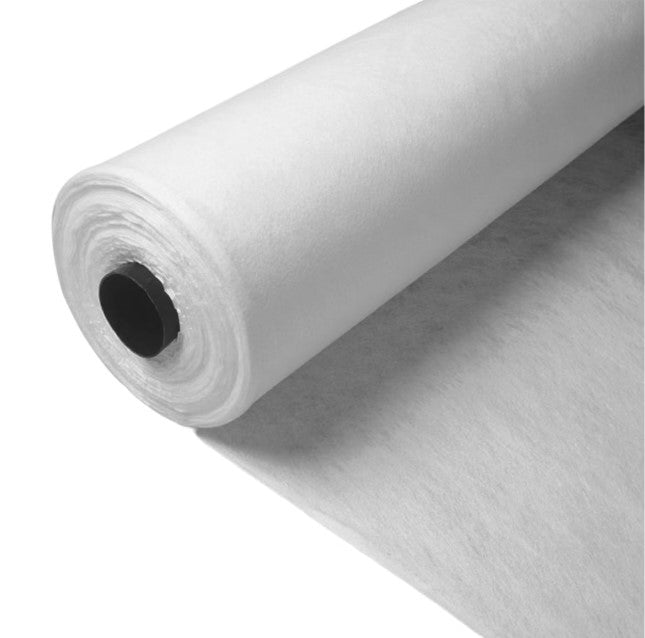
A gravel surface can look great on top, meanwhile the layers underneath are slowly mixing together. Ezy Hex geotextile fabric sits between soil and aggregate to help keep the two materials separate while still allowing water to pass through. The heavy-duty non-woven polypropylene fabric is suited to driveways, paths, drainage, erosion control and general landscaping, particularly where the ground is soft or prone to holding water. It is especially handy on wet sites.


Regular price $39.00 AUD
Regular price Sale price $39.00 AUD
Sale Sold out
Taxes included.

Need help calculating the length of rolls you need?

Enter the length and width of your project to calculate the length of rolls required.

Area (m²): 0.0

Length of textile required: 0

Choose Your Size:
Total
  • Most Brisbane, Gold Coast & Ipswich postcodes: Flat rate shipping based on quantity.

Email us at sales@ezyhex.com.au for delivery quote

View full details

What is Geotextile Fabric and How Does It Work?

Geotextile fabric is a permeable synthetic layer used between different ground materials. Its job is to separate and filter without blocking drainage. Under gravel, it can help stop aggregate sinking into softer soil and reduce fine soil working its way into the surface. In drainage or landscaping work, it also helps water move through while keeping surrounding material more stable. Beneath gravel or mulch, it can also reduce weed growth.

  • Geotextile Fabric Roll

    Rolls are useful when you need to cover a larger area with fewer joins. Ezy Jex supplies non-woven polypropylene fabric for separation, drainage, stabilisation and erosion-control work.

  • Landscape Fabric

    In garden beds and paths, landscape fabric can sit beneath gravel or mulch to separate layers, allow drainage and reduce weeds coming through the finished surface.

  • Driveway & Grave Fabric

    On gravel driveways and similar surfaces, geotextile helps keep the aggregate above separate from the soil below, which is especially useful on softer ground.

Premium geotextile filter fabric for driveways, gardens and landscaping - enhancing drainage, reducing weeds and delivering long-lasting ground stability.

Key Applications of Geotextile Fabric
Common uses include gravel driveways, garden paths, patios, drainage areas and erosion-control projects. The fabric is there to keep layers apart, filter water and give the prepared surface a cleaner, more stable build-up.

The Ultimate DIY Ground Stabilisation Combo!

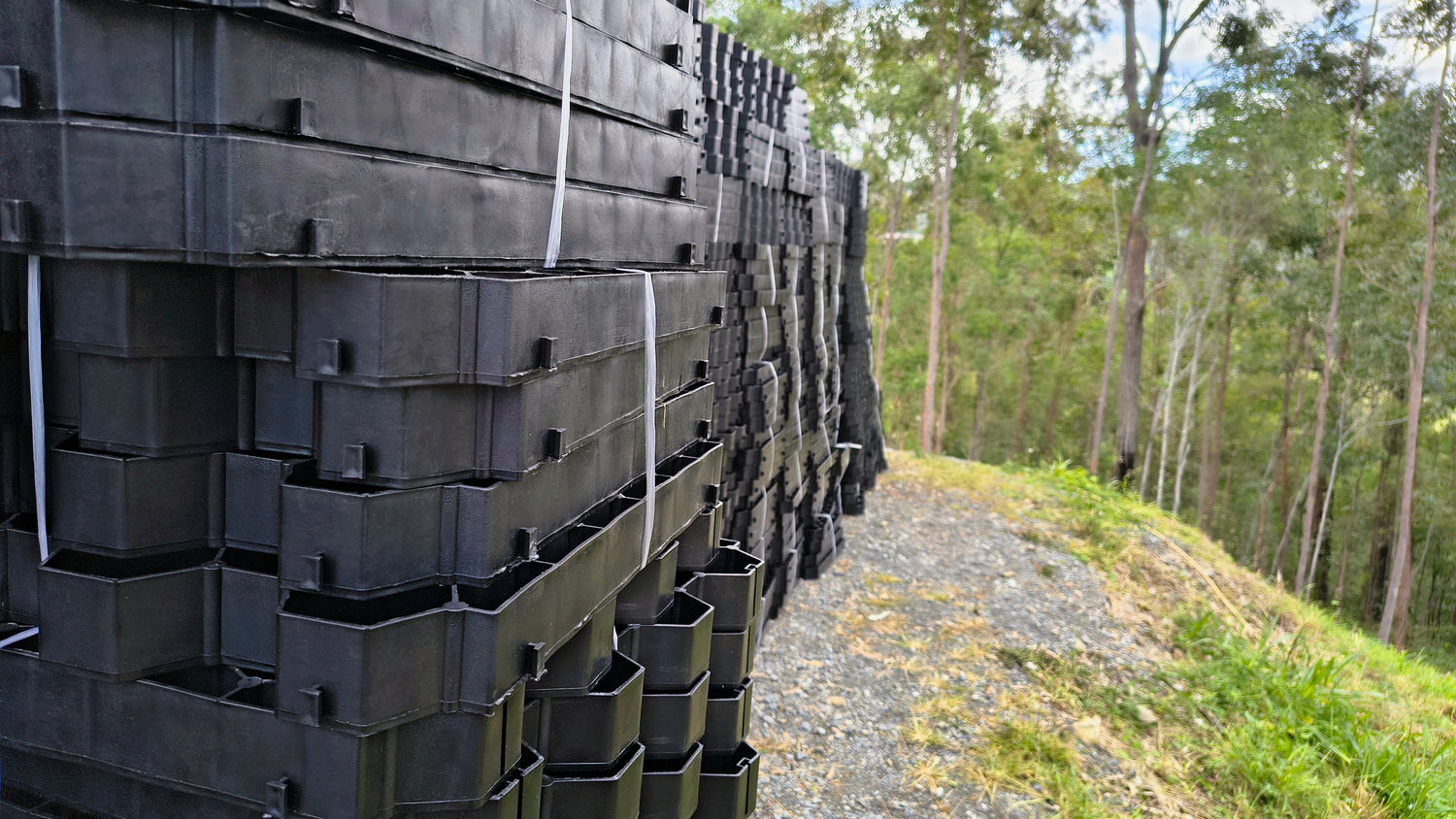
Create strong, stable ground with Ezy Hex Geo Grids and heavy-duty geotextile fabric, designed for drainage, soil stabilisation and erosion control. Each HDPE grid supports up to 2000kg per square inch when filled, making it ideal for driveways, parking areas and high-traffic zones. The permeable design allows water to drain while preventing soil movement, delivering a long-lasting, low-maintenance surface. Simple to install - just lay, pin and fill. Suitable for slopes up to 12° and built for tough Australian conditions.

Why Choose Ezy Hex for Your Geotextile Fabric Needs

Ezy Hex supplies heavy-duty non-woven polypropylene geotextile to use with its ground stabilisation products and other outdoor projects. It suits both DIY and professional work, with installation guidance available for common driveway and landscaping setups.

Benefits of Using Geotextile Fabric

Keeping soil and aggregate separate can mean less sinking, less mud working into the gravel and less maintenance later.

Because the fabric is permeable, it can do that without turning the area into a barrier to drainage. It is a simple extra layer that can make a noticeable difference on difficult ground.

Maintenance and Lovgevity of Geotextile Fabric

Once the fabric is covered, there is little direct maintenance. Keep the finished surface in good condition and re-cover any edges that become exposed. Correct installation protects the material from unnecessary wear. 

Got soggy or unstable ground? Use Geotextile

If your area has poor drainage, water damage, or soft soil, we recommend laying geotextile fabric underneath your EzyHex grids. It acts as a barrier to stop gravel from sinking and helps stabilise the surface over time.

*No water issues? If the ground is firm and well-drained, you can skip this step.

Strong. Sustainable. Simple.

Whether you’re stabilising a slope, creating a car space, or levelling out a muddy yard—our Ezy Hex system helps you get the job done right the first time.

Where to Use This System

This versatile ground stabilisation system is perfect for a wide range of residential and commercial outdoor projects. Use it to create long-lasting, low-maintenance driveways and parking pads, provide a stable base for caravans, trailers, and RVs, or lay down clean, weed-resistant garden paths and walkways. It’s also a smart choice for supporting retaining walls and landscaping features, managing erosion on steep slopes or soft, unstable soil, and reinforcing the ground under water tanks, sheds, or shade structures. Whether you're working on a backyard DIY job or a larger outdoor surface, our grid and geo fabric combo offers reliable ground reinforcement, drainage, and erosion control that’s built for tough Australian conditions.

How to Choose the Right Geotextile Fabric

Look first at the site rather than the finished surface. Soft, water-damaged or poorly drained ground is where a separation layer can be particularly useful. For an Ezy Hex grid installation, follow the current DIY guide for the layer order and base preparation.

Frequently Asked Questions

Can geotextile fabric be cut to fit irregular areas?

Yes. Cut the fabric around curves, corners and other awkward shapes, keeping it flat as you work.

Is Ezy Hex geotextile fabric UV resistant?

Ezy Hex does not publish a specific UV-resistance rating. Ask the team if the fabric will remain exposed to direct sun.

Can geotextile fabric be installed under both gravel and turf?

It is suitable for gravel and landscaping applications. For turf or planted areas, make sure the overall build-up still allows drainage and root growth.

How long does geotextile fabric last under normal use?

That depends on the site and how it is installed. Keeping the fabric covered and protected gives it the best chance of lasting well.